
CO-LIVINg Without The Noise
Start the free educationYou have heard it discussed on the podcasts.
So we will start with the least promotional sentence on this website. Co-living can be an excellent investment. For some investors. Built and run a particular way.
We at The Harmony Group are now sharing the knowledge behind our success, whether or not you choose to get a property with us.
The Harmony Group
A single building, nine homes
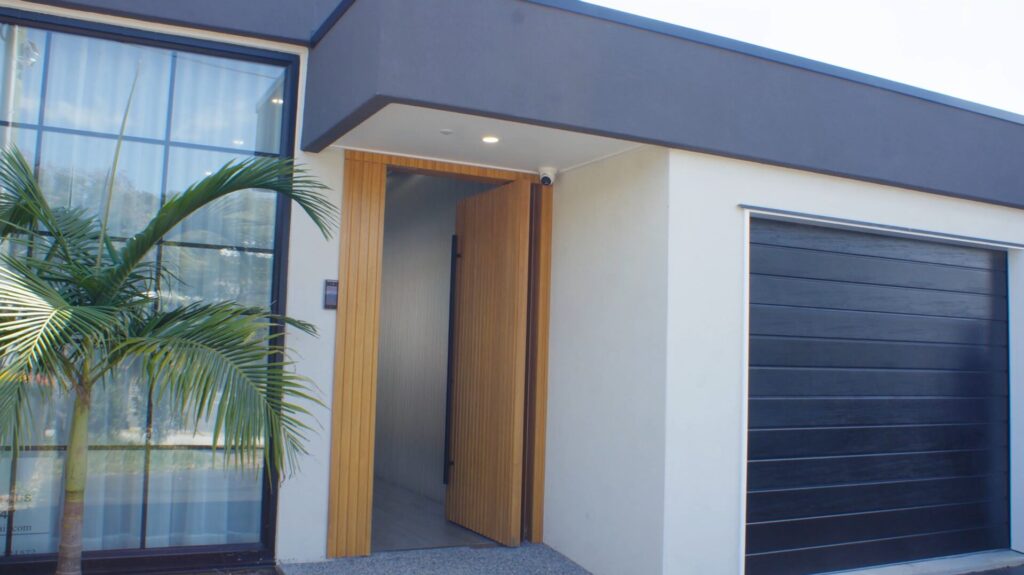
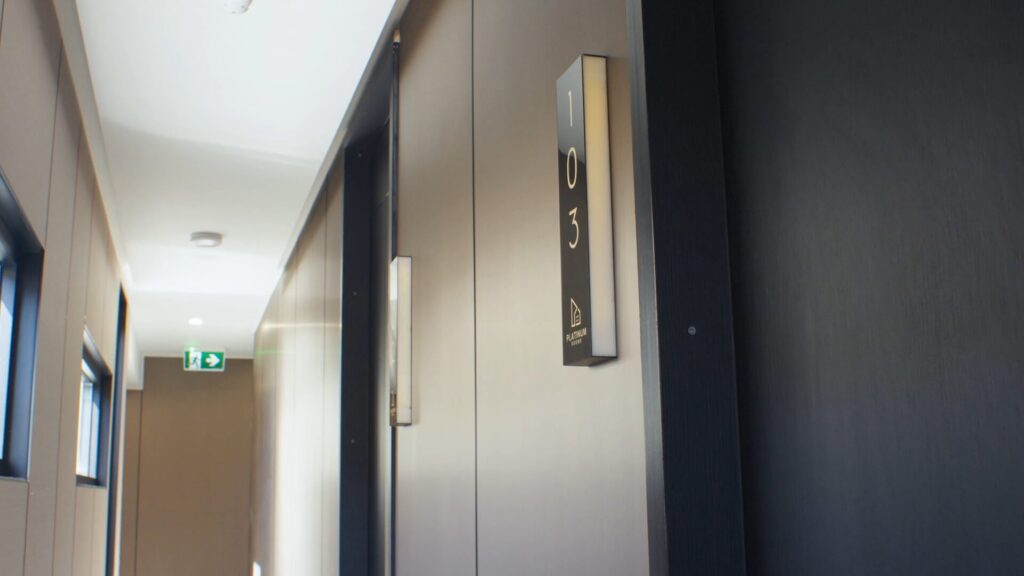
A Harmony project is one knock-down-rebuild site in Melbourne’s middle ring, on which we build one purpose-built dwelling containing nine self-contained suites, each with its own bathroom and kitchenette, alongside shared living space.
You own the whole building. Nine people live in it, each on their own lease. A specialist property manager runs it.
That is the entire product. It is not a fund, not a syndicate, not a share of something. One title, one asset, nine households, 9 sources of income of up to $500/week.
Nine people live well, in one carefully designed building, in a city that has made decent housing genuinely difficult to find. At the same time, the investor receives a property that, on our most recent projects, returns $179,010 a year in gross rent, around $3,442 a week. Average figures based on most recent projects.
3 examples Of High-End Co-Living Properties:
Latest in the media
Our founders have been respected commentators in the property investment and finance space for the last decade.
Featured in








Sharing Our Knowledge:
We are making public 2 resources, regardless of whether you ever speak to us:
1. The site and project checklist. These are the questions we work through before we will put a site in front of anyone. Tenant demand, location, zoning and council, design, build structure and contract, financial assumptions, exit. Several of them are uncomfortable questions to put to a vendor, to ensure you’re making a wise financial decision.
2. A 13-module education series. Each module takes one of those areas and explains what actually drives the outcome, with the maths shown rather than implied.
These resources were created to help us consistently evaluate opportunities and understand the factors that influence long-term outcomes for high-yield co-living properties.
We decided to make it available because investors should have access to better information before committing $1-2 million into a property decision.
There is no drip sequence, and no one will be calling you.
Our Co-Living Investment Checklist & Education Series
1. The “Invest-Worthy” Checklist
What to evaluate before being confident in a Co-Living Opportunity
The checklist is designed to help you understand the market properly,
So you can make a decision that supports your income goals and avoid making a $1-2 Million decision you may regret.
2. Our 13-Module Co-Living Course
The series covers:
Tenancy demand analysis
Location assessment
Design principles
Development considerations
Financial assumptions
Risk factors
Common mistakes
Long-term suitability
THE MARKET AS IT STANDS TODAY
We will describe the present. We will not tell you where it is heading (in either direction), and we will not suggest it is about to close:
Melbourne’s median dwelling value is $797,354, sitting 5.3% below its March 2022 peak. (Cotality Home Value Index, 31 July 2026.)
At the same time, Melbourne’s rental vacancy rate is 1.6%, unchanged from the month before. (SQM Research, June 2026, published 15 July 2026.)
Melbourne’s median asking rents are $815.53 a week for houses and $603.73 for units. (SQM Research, June 2026.)
Across the capital cities combined, asking rents fell 0.3% over that month while sitting 5.9% higher than a year earlier. (SQM Research, June 2026. National figure, not Melbourne-specific.)
What does this mean? Weak rent prices mean most investors are forced to negatively gear, meaning the investment only makes sense if it doubles in price over the holding time. In 2026, this means you have to believe something about the future that nobody can know. It also asks you to subsidise that time out of a salary, for years of lifestyle sacrifices, in the hope that growth eventually repays the subsidy.
Most property investment costs you money every month while you wait for something that might not happen. Co-Living Properties pay you while you wait, because they are cashflow-positive from day 1.
Our 2026 Evaluation
Income has become harder to build through the “old way" of Residential Real Estate.
The traditional approach of:
- Buying a property at a loss,
- Waiting years for it to slowly become cash-flow positive,
- And gradually building more and more debt in the hope of eventually creating a cash-flow-positive portfolio…
Can take 20–30 years to reach a moderate income.
That strategy was built for a lower-rate, higher-growth era, and that era has ended.
In 2026, with higher borrowing costs and housing affordability at all-time highs, investors cannot simply rely on the assumption that after the loan is paid off, the property will be worth significantly more and rental income will have caught up to be cashflow-positive.
The priority needs to be:
- Identifying High-Yield, High-End Co-Living Properties that can be cashflow positive from day 1, and contribute to portfolio growth.
Why Trust
The Harmony Group?

15+ Years of Specialist Accommodation Experience
Traditional property advisors guess. We measure. With 15+ years of specialist accommodation experience, and a historical average gross yield of 10.8% across The Harmony Group’s delivered projects, we know exactly what works. We focus exclusively on 1B-certified Co-Living properties that deliver positive cash flow from settlement: not 5-10 years of negative gearing waiting for capital growth.

Where our site data comes from
We analyse 118 specific data points before buying any property for ourselves or clients: employment diversity, rental demand, council regulations, property manager capacity, and 114 others. Partnering with SQM Research, We build in Melbourne, across the middle ring, Frankston and a smaller area around Geelong, where a nine-bed co-living property needs no special planning approval. Our investors come from every state in Australia, and the whole process can be run remotely.

Specialist Property Management
Our specialist property manager reports 477 rooms under management with six vacant. This is why our most recent projects show an 11.36% gross yield while a standard investment property at the same price sits around 3%. Average figures based on most recent projects.
What the income actually does
Generate $179,010 a Year in Gross Rent Per Property
On our most recent projects, a nine-bed co-living property returns $179,010 a year in gross rent, against $45,000 for a standard investment property at the same $1.5m price. Average figures based on most recent projects. What is left after expenses, finance and tax depends on your loan structure, deposit and tax position, which we model for your situation in the strategy session.
Put the Income Toward Your Mortgage
A standard investment property at $1.5m rents for around $865 a week. A nine-bed co-living property rents for around $380 a room, $3,442 a week across nine rooms. Average figures based on most recent projects. Income that arrives while you are still working can go toward your own mortgage; how far it moves your payoff date depends on your loan and your circumstances.
Build Income Now, Not Just Equity
Stop waiting for capital growth. Co-living delivers immediate income. Once loans are paid off, three properties can generate $180,000-$220,000 annual income. That’s income you can live on while you are still working, not just equity on paper.
Income that arrives while you are still working, rather than after you stop.
Traditional path: Work until 65-70. Co-living path: Use the income to pay down debt faster and build a portfolio while you are still working.
Learn Our Proven Co-Living Investment Process in our Course

1. Establish Borrowing Capacity & Investment Goals
Determine if Co-Living suits your situation ($600K+ equity typically required). Connect with specialist brokers who understand co-living income modelling.

2. 118-Point Market Analysis
Analyse employment diversity, rental demand, vacancy trends, council regulations, and other data points.

3. Partner With 1B-Certified Builders
Only builders with 10+ completed co-living projects and zero compliance issues. Every property has a 1B certification confirmed before construction.

4. 6-Month Build Timeline & Property Manager Selection
Melbourne properties complete in 6 months. Specialist property managers sign off on designs and prepare tenant waitlists during construction.

5. Specialist Co-Living Management (98%+ Occupancy)
Partner exclusively with managers maintaining sub-2% vacancy rates. Our partners manage 477 rooms with only 6 vacant, placing new tenants within 24-48 hours of previous tenant departure.
All of this can be coordinated with your other professional advisers such as tax accountants and financial planners to ensure your co-living investment complements your overall wealth strategy.
Common Co-Living Investment Myths
High-end co-living on our most recent projects shows an 11.36% gross yield while a standard investment property at the same price shows about 3%. Average figures based on most recent projects. Yet many property investors avoid co-living due to misconceptions and low-quality companies. Let’s address the most common myths:
Myth 1: "Co-Living Is Risky or Illegal"
Co-living is legal when properly 1B-certified. We only recommend certified properties meeting fire safety, disability access, and council approval requirements. Uncertified properties face $125,000+ fines, why we reject any property without confirmed certification.
Myth 2: "Co-Living Yields Can't Be Real"
Higher yields are achievable because co-living rents per room, not per property. A nine-bed property at around $380 a room returns $179,010 a year in gross rent, against $45,000 for a standard investment property at the same $1.5m price. Average figures based on most recent projects. Verified by actual rental listings, not projections.
Myth 3: "Co-Living Is Too Hard to Manage"
Co-living is management-intensive by nature. Nine tenancies turn over considerably more often than one, and the property manager matters more here than in a conventional investment.
Myth 4: "I Should Wait for Better Market Conditions"
Nothing is running out, there is no waiting list to join, and it will still be about five a month next quarter. If the timing is wrong for you now, it will keep.
What Do We Get From Helping You with Our Resources?
This is a fair question:
We believe better-informed investors make better decisions.
Some people who use this framework will decide Co-Living isn’t the right fit for them. Other institutional, fund and private investors may decide they want guidance from a team with direct experience in the sector.
We take on about five new co-living clients a month. Not five places left this month; about five a month, most months, and it has been that way for a long time.
That’s why we make these educational resources available. We’d rather any future conversation begin with someone who already understands the fundamentals, the opportunities, the risks, and how we think about evaluating Co-Living investments.
For us, the value isn’t in creating pressure or generating leads. It’s in ensuring that when someone does reach out…
The conversation starts from a position of knowledge, alignment, and realistic expectations.
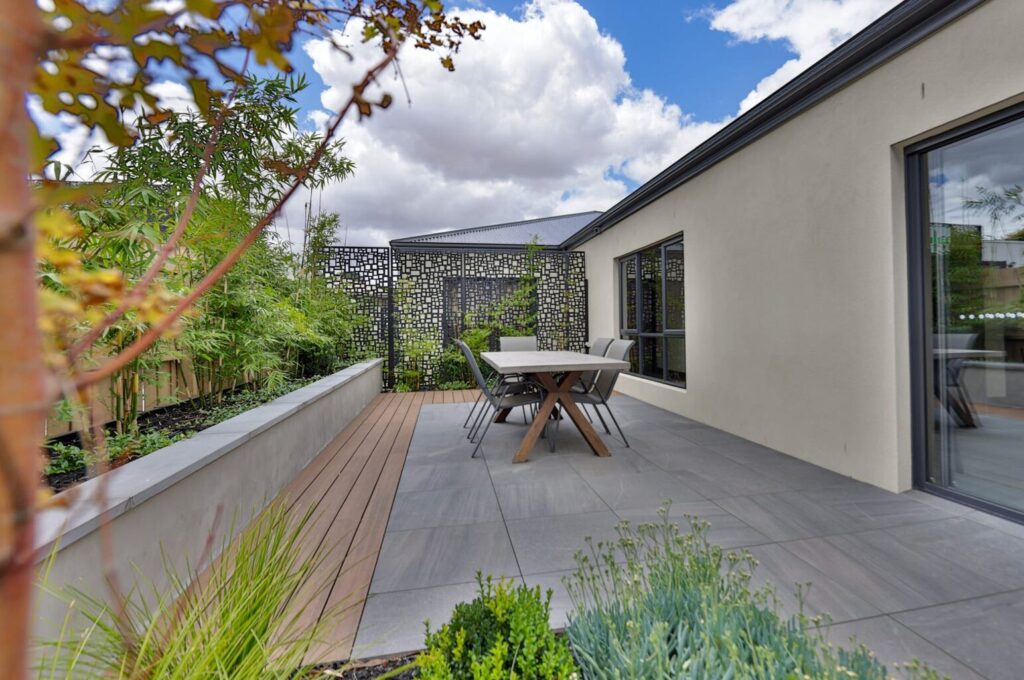
With our Free Co-Living Checklist & 13-Module Course, income that arrives while you are still working is achievable for everyday Australians.
If you’re ready to explore how per-room income and positive cash flow build income that arrives while you are still working, start the free education today.
Frequently Asked Questions
What is co-living property investment?
Co-living property investment involves purchasing purpose-built properties designed for up to 9 individuals to live independently in their own private spaces while sharing common areas. Unlike traditional share houses, properly certified co-living properties (1B certification) feature:
- Individual en-suites for each bedroom
- Private outdoor courtyards
- Personal kitchenettes in most rooms
- Full furnishing and utilities included
- Professional property management
- 24/7 resident services
These properties generate significantly higher rental yields (11.36% on our most recent projects, average figures based on most recent projects) compared to a standard investment property at the same price (about 3%) while maintaining similar capital growth potential to large family homes.
Is co-living legal in Australia?
Yes, co-living is legal in Australia when properly certified. Properties must have a 1B certification to legally house more than 3 unrelated people. This certification ensures:
- Fire safety measures and multiple exits
- Disability access and bathroom facilities
- Safety compliance for up to 12 residents
- Council approval and proper zoning
Critical Warning: Many co-living properties in Australia are not properly certified. In Queensland, operating an uncertified co-living property can result in fines up to $166,000 per infringement and up to 2 years’ jail time. As a premier property investment company, The Harmony Group only works with 1B certified properties that meet all safety and legal requirements.
What rental yield can I expect from a co-living property?
Our most recent nine-bed projects show an 11.36% gross yield on base project cost, against about 3% for a standard investment property at the same $1.5m price. Average figures based on most recent projects. Individual rooms rent for around $380 per week (including all utilities, WiFi, and furnishings), generating approximately $3,442 weekly income for a nine-bed property (average figures based on most recent projects).
Yield Comparison Example:
- Standard investment property at the same $1.5m price: ~$865/week = 3% yield
- Nine-bed co-living property: around $380 a room, $179,010 a year = 11.36% yield on a $1,574,000 base project cost (average figures based on most recent projects)
These higher yields are sustainable due to:
- Per-room rental model vs. whole-house rental
- Fully furnished premium offering
- Professional property management
- Low vacancy rates (typically under 2%)
How much do I need to start investing in co-living property?
For a High-End 9-Bed Co-Living, you need approximately $600,000 in usable equity or cash, covering:
- Deposit on the property
- Furniture and fit-out costs
- Establishment fees and costs
- Buffer for settlement
Minimum Investment Details:
- Property price range: $1.3-$1.6 million
- Deposit requirement: 20% (standard lending)
- Furniture costs: ~$15,000-$20,000
- Total upfront: ~$600,000
Alternative Entry Points:
- Equity release from existing properties
- Joint investment partnerships
What are the main risks of co-living investment?
Like any property investment, co-living carries risks that should be understood:
Market Risks:
1. Rental Demand Changes:
- The economic downturn is reducing employment in the area
- Oversupply of co-living properties (why Harmony recommends to avoid oversaturated markets)
- Changing tenant preferences
Mitigation: Harmony’s Checklist identifies sustainable demand, and specialist property managers maintain low vacancy rates.
2. Interest Rate Increases:
- Higher loan costs impact cash flow
- Refinancing challenges if rates spike
Mitigation: Higher income buffer than traditional property, rate locking options, and offset accounts.
3. Property Value Decline:
- Market corrections or local economic issues
- Property not maintaining capital growth
Mitigation: Location selection in growth corridors, diversified employment areas, and income provides a buffer.
Operational Risks:
1. Property Management Issues:
- Underperforming property manager
- Higher than expected vacancy
- Poor tenant selection
Mitigation: Harmony only uses proven managers with a good track record and rental guarantees in place.
2. Maintenance Costs:
- Higher wear and tear than expected
- Multiple bathrooms/kitchens increase repair costs
- Tenant damage
Mitigation: New builds have lower maintenance, bonds held for damages, and quality tenants reduce issues.
3. Regulatory Changes:
- Council regulation changes affecting co-living
- Zoning modifications
- Building code updates
Mitigation: 1B certification provides a strong compliance foundation, and properties can be converted to traditional rental if needed
Structural Risks:
1. Builder Performance:
- Construction delays
- Builder bankruptcy during construction
- Quality issues
Mitigation: Harmony only uses proven builders, ensures construction insurance is in place, and builder contracts protect buyers.
2. Finance Challenges:
- Lender pulls out before settlement
- Valuation comes in low
- Changed financial circumstances
Mitigation: Specialist brokers, multiple lender relationships, and untitled land provides a time buffer.
Personal Risks:
1. Life Changes:
- Job loss affecting serviceability
- Relationship breakdown requiring asset division
- Health issues impacting income
Mitigation: Income protection insurance, emergency fund buffer, and investment should fit within overall capacity.
Risk Summary: Co-living investment is higher risk than primary residence but comparable to traditional investment property, with added risks around specialised management offset by higher income potential. Seek expert property investment advice to maximise the co-living strategy the right way.
How do I know if a co-living investment is right for me?
Ideal Co-Living Investor Profile:
Financial Position:
✅ Have $600,000 or more in cash, usable equity, or a combination
✅ Stable employment or income
✅ Good credit history
✅ Existing property ownership (though not required)
✅ Capacity to service additional debt
Investment Goals:
✅ Seeking passive income to offset expenses elsewhere
✅ Want to accelerate mortgage payoff on primary residence
✅ Building an income portfolio
✅ 5-10+ year investment timeframe
✅ Focus on cash flow over just capital growth
Risk Profile:
✅ Comfortable with property investment fundamentals
✅ Understand market cycles and can ride downturns
✅ Accept specialised property requires specialized management
✅ Have an emergency fund buffer for unexpected costs
✅ Can handle moderate liquidity constraints
Personal Situation:
✅ Don’t need property for personal use
✅ Comfortable with property interstate (if applicable)
✅ Understand tax implications and have an accountant
✅ Willing to hold medium-term (not quick flip)
NOT Ideal For:
❌ First-time investors with no property experience
❌ Need capital in the next 1-2 years
❌ Cannot afford serviceability buffer for rate rises
❌ Want to live in or use the property personally
❌ Uncomfortable with specialised property management
❌ Expect unrealistic property investment returns or guarantees
Self-Assessment Questions:
- Can I afford to hold this property if interest rates rise 2%?
- Do I have 6-12 month’s expenses saved separately?
- Am I comfortable with a 5-10 year hold period?
- Do I understand the tax implications?
- Have I researched the co-living market in target areas?
If you answered yes to most ideal profile criteria and self-assessment questions, co-living may suit your real estate investment strategy.
What's the first step to get started?
If You Were to Partner With The Harmony Group:
Step 1: Free Education and First Conversation
- Start the free education: 13 short modules on how co-living property works in Australia
- Complete the Core by reviewing any 9 of the 13 modules
- Complete a short position statement covering your financial situation and goals
- Book a conversation with one of our founders to see if the strategy aligns with your needs
- No obligation – honest assessment if suitable or not
Step 2: Financial Assessment (1-2 weeks)
- Connect with a specialist mortgage broker (if needed)
- Assess borrowing capacity
- Review the deposit/equity position
- Pre-approval application (if financing)
- Structure strategy with an accountant/advisor
Step 3: Market Selection & Opportunity Review
- Harmony presents current opportunities matching your criteria
- Review locations using 118-point data analysis
- Understand specific property details and projected returns
- Q&A on any concerns or questions
- Time to do your own research and due diligence
Step 4: Property Reservation
- Sign a land contract with 5% deposit
- Legal review of contracts (your solicitor)
- Cooling-off period, if applicable
- Reservation of a specific land parcel
Step 5: Design & Build Finalization (2-4 weeks)
- Review and approve building plans
- Select any customisation options
- Confirm furniture package
- Sign a building contract with 5% deposit
- Property manager sign-off on design
Step 6: Finance Finalisation (During 3-6 month untitled period)
- Formal finance application
- Property valuation
- Final loan approval
- Loan documents signed
- Settlement preparation
Step 7: Construction (6-12 months)
- Regular progress photos and updates
- Builder inspections and reports
- Harmony coordinates all builder/council interactions
- Zero owner involvement required
Step 8: Settlement & Tenant Placement (2-4 weeks)
- Final inspection (you or property manager)
- Settlement on land and building
- Furniture installation and setup
- Property manager tenant placement
- Rental income begins
Total Timeline: 12-18 months from your first conversation to rental income
Owner Time Investment: Approximately 10-15 hours across the entire process
Getting Started Today: Start the free education. Registering opens the material and does nothing else, so no one will call you. When you would like to talk to us, complete the position statement and book a time.

Proud Members of the Property Investors Council of Australia
As proud members of the Property Investors Council of Australia, we pledge to adhere to the strictest principles of integrity, accountability, and excellence in the Australian property investment sector. It is our firm belief that we should adopt ethical investing practices and strive for continuous learning, all while offering reliable advice to our clients when investing in property.
IMPORTANT INFORMATION
This website provides general information only and does not constitute personal financial advice. Property investment carries significant risk including possible loss of capital, and past performance does not guarantee future results. Projected yields and income are estimates that may not be achieved. Before investing, consult licensed financial, legal, and tax advisors. Read our full disclaimers.